About the course
This is a new version of the RYA Radar Course from the Royal Yachting Association, using a simulator. It provides the RYA Radar Certificate. Radar training is becoming a must have skill for commercial operators, but is also extremely useful for the pleasure boater too.
This course uses the NEW simulator for a great learning experience!
We use the new ‘state of the art’ simulator from Maritime Professional Development UK which replicates the operation of the current crop of sub 24m radars. It’s been developed to support the RYA Radar Course and includes 9 exercises which help students get real hands on experience of all of the features of the radar including navigating in restricted visibility. The final exercise brings all of what you have learnt together and we guarantee you’ll be amazed at how you safely and competently navigate through the training area in restricted visibility using all of the skills that you have developed through the individual exercises.
If you have a radar on your vessel then only after you’ve done some good training will you appreciate its capabilities and how complex the radar set is and how useful it really is if you know how to use the features that are built in.
Radar is an excellent addition on board your craft. The one day RYA Radar course helps you to understand how radar works and make the most of it for collision avoidance and navigation. We will teach you not only about the theory, but take you on a journey on a simulator.
Radar has a variety of uses including navigation and collision avoidance, indeed the ColRegs state that you must use all available means available to you to avoid the possibility of a collision. Therefore, if your craft is fitted with a Radar then you must use it and by implication know how to use it to its full potential, getting the most from a radar is a matter of understanding its potential and being able to ‘set it up’ and modify the settings for the conditions you are experiencing.
The RYA one day Radar course will give you the confidence to use and trust your Radar equipment.
The course covers:
- Developing an understanding of how Radar works
- Set up procedure, the various functions and the correct use of controls
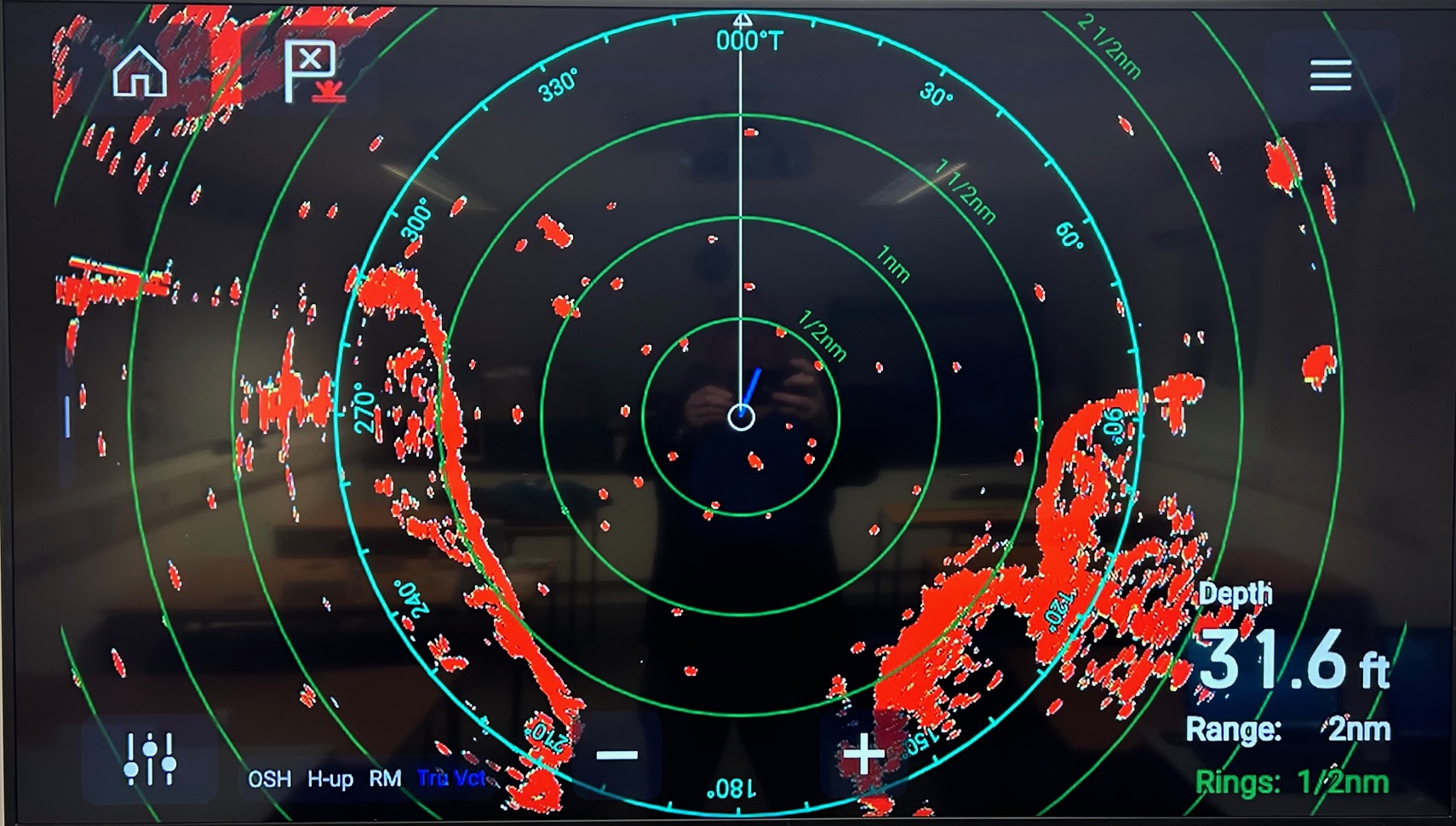
- Interpreting what you see of the screen
- Target definition & discrimination
- Radar reflectors – active & passive
- Use of radar for navigation & collision avoidance
- Use and limitations of Automatic Radar Plotting Aids (ARPA)
- Advantages & disadvantages of radar